Craniosacral Therapy for Concussions and Extreme Sports Recovery
From Impact to Balance: Why Athletes Need Craniosacral Therapy
You live for the rush, the moment you stick the landing on a steep descent, the perfect execution of a submission hold, or reaching the crux of a challenging climb. Whether you’re a martial artist, a skier, a rock climber, a weight lifter, or a mountain biker, you know that pushing your body to the edge is part of the game.
But that edge comes with a cost. While you’re conditioned to handle the adrenaline, your nervous system is absorbing the impact of every fall, every strike, and every high-velocity twist. You might treat the visible sprains and bruises, but what about the invisible injuries that are holding you back?
At Cranioscral Therapy Reno, we specialize in helping athletes recover from the inside out using Craniosacral Therapy (CST). A gentle, powerful modality that addresses the structural and neurological ramifications of high-impact sports.
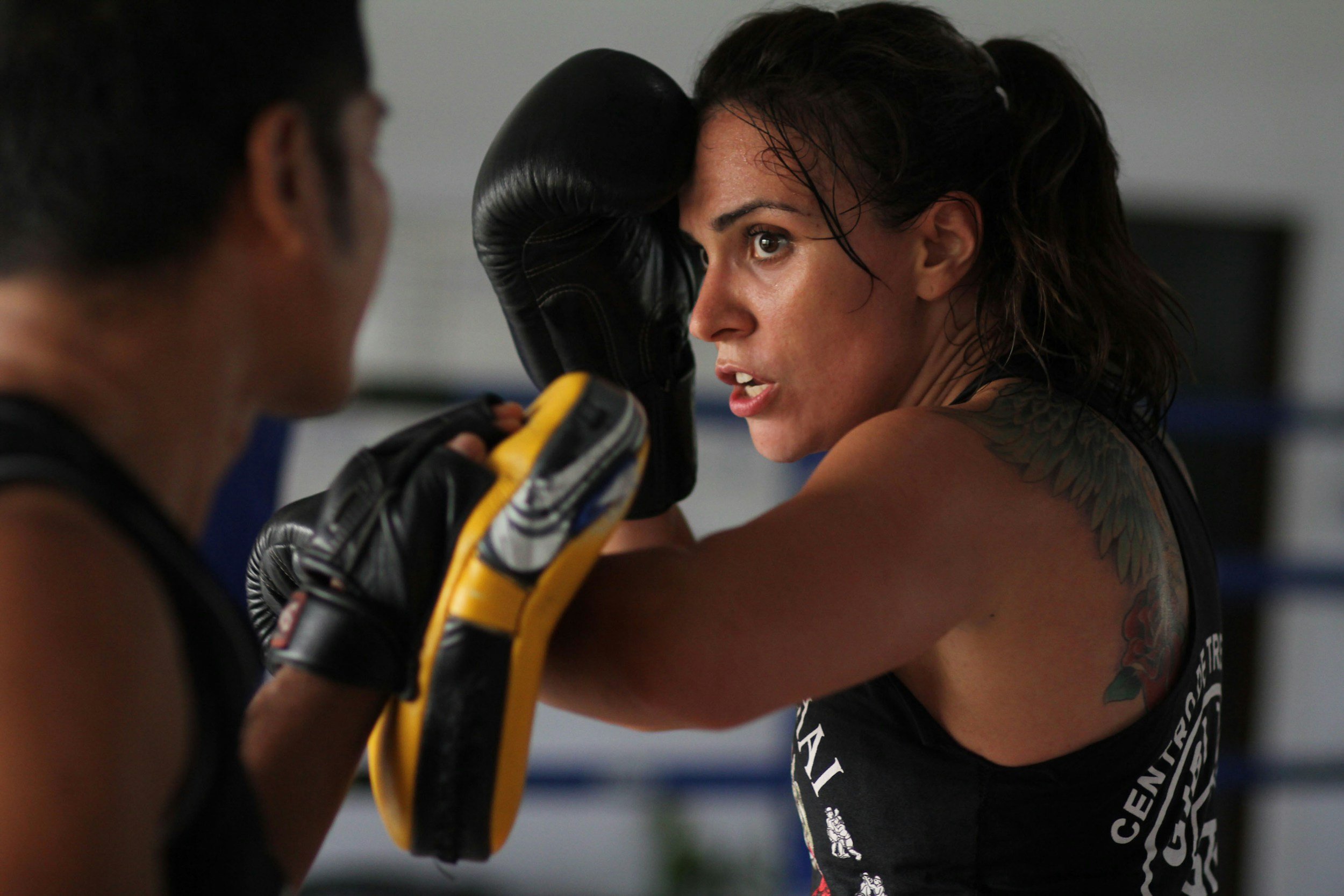
The Hidden Cost of Extreme Sports: Beyond the Surface
When you sustain a hard hit, fall, or jolt, your body doesn't just react at the site of impact. The force radiates through your tissues, often settling deep within the fascia (the connective tissue webbing) and the membranes surrounding your brain and spinal cord.
Your central nervous system (CNS) is the command center for every reaction time, movement, and recovery process. When it absorbs trauma, it can get stuck in a state of high alert. A persistent "fight-or-flight" mode. This can manifest not just as physical pain, but as chronic tension, reduced agility, guarding patterns, and a slower recovery cycle.
Craniosacral Therapy and Concussion Recovery: Unblocking the Path to Healing
Perhaps the most daunting injury in extreme sports is the concussion. When your brain suffers a rapid acceleration or deceleration trauma, the results can be debilitating. While rest is crucial, CST offers an active avenue for healing the nervous system.
Post-concussion syndrome symptoms can linger for weeks, months, or even years. These may include:
Chronic headaches and migraines
Persistent "brain fog," confusion, or trouble concentrating
Dizziness, balance issues, or light sensitivity
Sleep disruption and fatigue
Irritability or changes in mood
How CST Helps Your Brain Recover:
CST is a form of bodywork that releases restrictions in the body, including the membranes and cerebrospinal fluid that surround and protect the brain and spinal cord.
Restores Fluid Flow: A healthy craniosacral system has a subtle, rhythmic pulse created by the movement of cerebrospinal fluid. Trauma can disrupt this flow, creating "kinks in the hose." CST helps restore this rhythm, which is vital for flushing out waste products from brain tissue and delivering nutrients to neural cells.
Releases Membrane Tension: The dura mater is the tough outer membrane surrounding the brain and spinal cord. High-impact forces can cause restrictions or tension in this dura, essentially crowding the brain and causing pressure that leads to headaches and fog. CST gently releases these membrane restrictions, allowing the central nervous system the "space" it needs to heal.
Calms the Nervous System: By encouraging the body to shift from its sympathetic (fight-or-flight) state into the parasympathetic (rest-and-digest) state, CST allows for deep relaxation, improved sleep, and accelerated tissue repair.
This approach is increasingly supported by research. A notable study involving professional NFL players diagnosed with post-concussion syndrome showed statistically significant improvements in pain levels, reaction time, memory, and sleep quality after receiving CST and adjunct therapies.
Full Peer-Reviewed Study (PubMed/NIH): CranioSacral Therapy and Visceral Manipulation: A New Treatment Intervention for Concussion Recovery
Study Overview from the Upledger Foundation: The Ricky Williams Concussion Program
Concussion Alliance Summary: Craniosacral Therapy for a Concussion
More Than Just Your Head: Addressing Strains, Sprains, and Compensatory Patterns
Even if you haven't sustained a diagnosed concussion, the high-velocity movements required by martial arts, climbing, or skiing can create repetitive strain or acute whiplash-like injuries to the neck, spine, and sacrum.
If you’ve broken a limb or severely sprained an ankle, your body creates "guarding patterns." You change how you move to protect the injury, creating fascial restrictions elsewhere in your body to compensate. This limited mobility can increase your risk of future injury and decrease your overall athletic performance.
CST works with the entire body. A craniosacral therapist can detect these deep areas of tension and restriction, helping to:
Improve range of motion and flexibility.
Reduce pain and inflammation associated with strains and overuse injuries.
Enhance motor pattern firing and reaction times by eliminating nerve interference.
Speed up overall athletic recovery by supporting better circulation and lymphatic drainage.
The CST Experience: A Different Kind of Sports Recovery
Unlike deep tissue massage, which can sometimes aggravate sensitive or acute injuries, CST is non-invasive and deeply relaxing. You remain fully clothed on a comfortable treatment table while the therapist applies gentle touch to the skull, spine, sacrum, and other affected areas. Many athletes describe the sessions as meditative and deeply restorative.
Get Back to Doing What You Love
You don't have to live with lingering pain, brain fog, or the feeling that your recovery has plateaued. Extreme sports demand an extreme level of care.
At Craniosacral Therapy Reno, our goal is to help you restore balance to your central nervous system so you can perform at your peak, safely and sustainably.
Ready to elevate your recovery plan?
Contact us here to schedule your initial consultation. Let’s help you find your balance again.